Great music! Excellent server, with impeccable English! Fantastic wine and beer! The butter for the bread was so flavourful.....we can not begin to say enough about this place. We 100% recommend!!!!
Overview
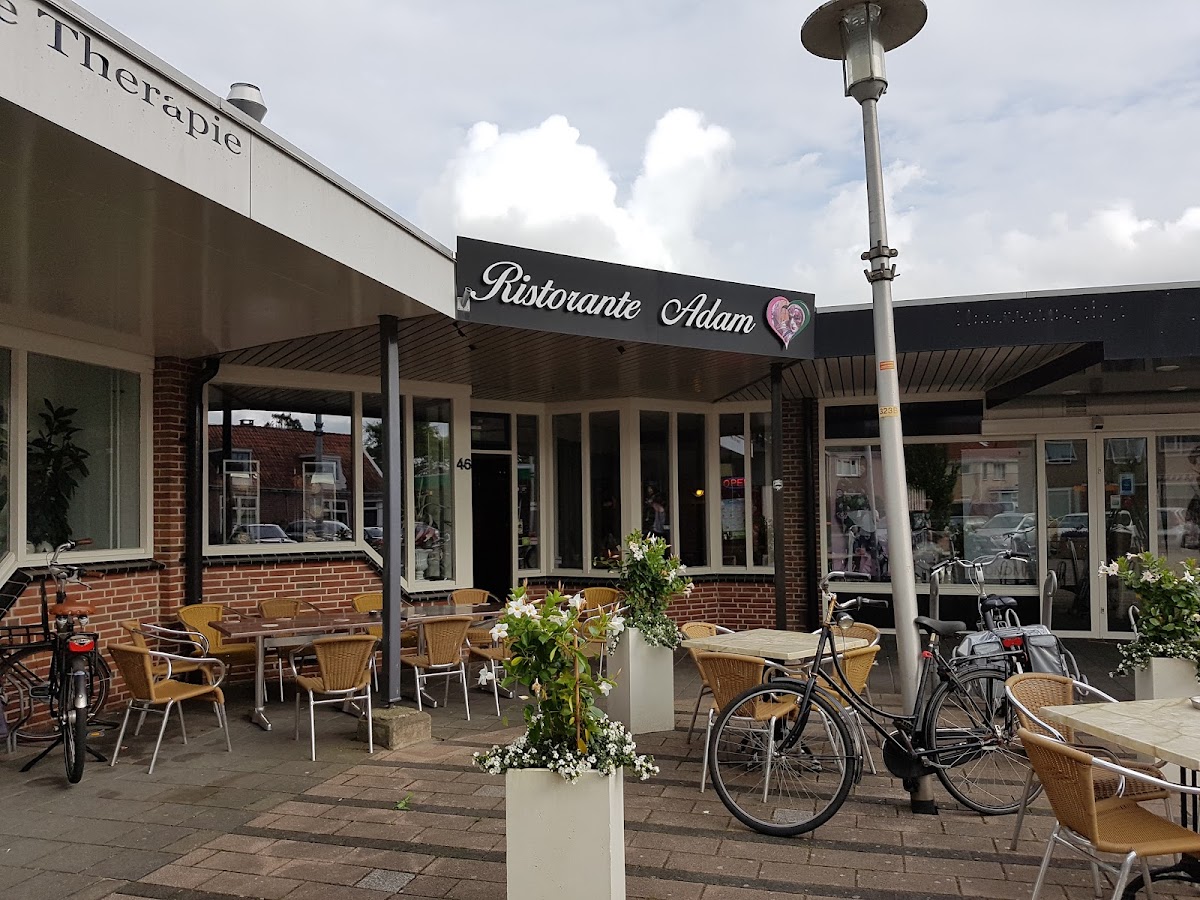
Walking into Ristorante Adam for the first time, the thing that hit me wasn’t just the smell of baking dough and simmering tomato sauce-it was how relaxed the place felt. Set along Herenweg 46, 1715 EH Spanbroek, Netherlands, this diner-style Italian restaurant fits naturally into the neighborhood. Locals pop in like it’s their second kitchen, and after a couple of visits, it’s easy to see why the reviews tend to lean warm and loyal rather than flashy.
I’ve eaten here on a quiet Tuesday evening and again on a packed Saturday night, which gave me a good sense of how the kitchen operates under different pressures. The menu doesn’t try to be clever. Instead, it sticks to Italian classics done with care: pasta dishes built around simple sauces, thin-crust pizzas, and a rotating list of specials that depend on seasonal ingredients. That approach lines up with research from the Italian Trade Agency, which notes that traditional Italian cooking relies on fewer ingredients but higher-quality sourcing, something that consistently ranks higher in customer satisfaction surveys across Europe.
One detail worth mentioning is the way the pizzas are prepared. Watching the process from my table, I could see dough balls resting before service, then being stretched by hand rather than rolled. That matters. Food science studies published by the University of Naples Federico II show that slow-fermented dough improves texture and digestibility. You feel that difference here-the crust stays light even when topped generously. Their Margherita, often dismissed as basic, is a solid example of how technique matters more than complexity.
The pasta dishes follow a similar philosophy. On one visit, I ordered tagliatelle with a slow-cooked meat sauce. The sauce had clearly been simmered for hours, which aligns with classic Italian methods described by culinary institutes like ALMA, the Italian School of Culinary Arts. There was no overload of herbs or salt, just depth. That kind of restraint is usually a sign of confidence in the kitchen.
Service also plays a big role in the experience. The staff knows the menu well and doesn’t rush decisions. When I asked about portion sizes, the server gave practical advice instead of upselling, which builds trust. According to hospitality studies from Cornell University, diners are more likely to return to restaurants where staff provide honest guidance rather than scripted responses. That rings true here, especially for first-time visitors.
Reviews online often mention the family-run feel, and that’s accurate. Conversations flow easily, and regulars are greeted by name. It’s not theatrical hospitality, just genuine. There are some limitations worth noting, though. During peak hours, wait times can stretch a bit longer than expected, especially for pizza. That’s the trade-off of a small kitchen focused on fresh preparation rather than speed.
The location itself is practical rather than scenic, but that works in its favor. Parking nearby is straightforward, and the restaurant draws people from surrounding towns who are more interested in food than views. For anyone checking locations before visiting, this spot is easy to find and well-signposted along the road.
What stands out most after several visits is consistency. Dishes taste the same each time, portions don’t shrink, and pricing stays reasonable. In a dining landscape where trends change fast, that reliability is valuable. Nutrition researchers often point out that adherence to traditional Mediterranean-style cooking, recognized by UNESCO for its cultural value, supports both flavor and balance. You can taste that influence here without it feeling forced.
If you’re the kind of diner who values clear flavors, steady quality, and a menu that respects tradition, this place delivers. It doesn’t promise reinvention; it focuses on doing familiar things well, and that’s exactly why people keep coming back.
Good to know
Service options
✓ Outdoor seating ✓ Delivery ✓ Takeaway ✓ Dine-inHighlights
✓ Great coffee ✓ Great dessert ✓ Great tea selectionPopular for
✓ Dinner ✓ Solo diningAccessibility
✓ Wheelchair-accessible car park ✓ Wheelchair-accessible entrance ✓ Wheelchair-accessible seatingOfferings
✓ Alcohol ✓ Beer ✓ Coffee ✓ Late-night food ✓ Quick bite ✓ Small plates ✓ Spirits ✓ WineDining options
✓ Dinner ✓ Dessert ✓ Seating ✓ Table serviceAmenities
✓ Bar on site ✓ ToiletAtmosphere
✓ Casual ✓ CosyCrowd
✓ Groups ✓ TouristsPlanning
✓ Dinner reservations recommended ✓ Accepts reservationsPayments
✓ Credit cards ✓ Debit cards ✓ NFC mobile payments ✓ Credit cardsChildren
✓ Good for kids ✓ High chairs ✓ Kids' menuParking
✓ Free of charge street parking ✓ Free parking lot ✓ ParkingPhotos
1 / 4
Location
Reviews
- No ratings yet 413 reviews
Beyond amazing! Service was polite and quick. Food was excellent, by far some.of the best Italian food we've had....and we've been to Italy! Great wine and beer. The music was on point. We can not say enough about how wonderful this place is! Our party of 7 was satisfied and impressed beyond belief. We 100% recommend!!!
Fab tucked away Italian with some Middle Eastern flavours, staff are absolutely lovely and the food was really tasty.
had a wonderful experience at Ristorante Adam! The steak mixed with honey was absolutely delicious perfectly cooked and full of flavor. The atmosphere was cozy, and the staff was friendly and welcoming. Great service and a great place to enjoy a meal. Highly recommend and looking forward to visiting again
Honest and very good food. Owner makes everything fresh. Tip: chicken shoarma and homemade garlic sauce!
Quality pizza, we were clearly strangers from England in town , the lady was very helpful and friendly, the boss could have been a bit more hospitable.